Albania is distinguished for its rich biological and landscape diversity. This diversity is attributable to the country’s geographic position as well as geological, hydrological, climatic, soil and relief characteristics. The mountainous terrain combined with steep cliffs creates ideal conditions for maintaining and protecting a large number of ancient species, some of which are endemic or sub-endemic. The high diversity of ecosystems and habitats (marine and coastal ecosystems, wetlands, river deltas, sand dunes, lakes, rivers, Mediterranean shrubs, broadleaf, conifers and mixed forests, alpine and sub-alpine pastures and meadows, and high mountain ecosystems) offers rich habitats for a variety of plants and animals. There are around 3,200 species of vascular plants and 756 vertebrate species. There are 27 endemic and 160 sub-endemic species of vascular plants.
This tour will be led by conservationist and ornithologist specialist Denik Ulqini, from the University of Shkoder, who is also an environmental consultant with a special interest in birds, mammals, and ecotourism.
Meet with the local guide and the driver at Tirane International Airport and travel to Pogradec for the overnight stay. On the way, lunch at a local fish restaurant by the lakeside of Ohrid Lake.
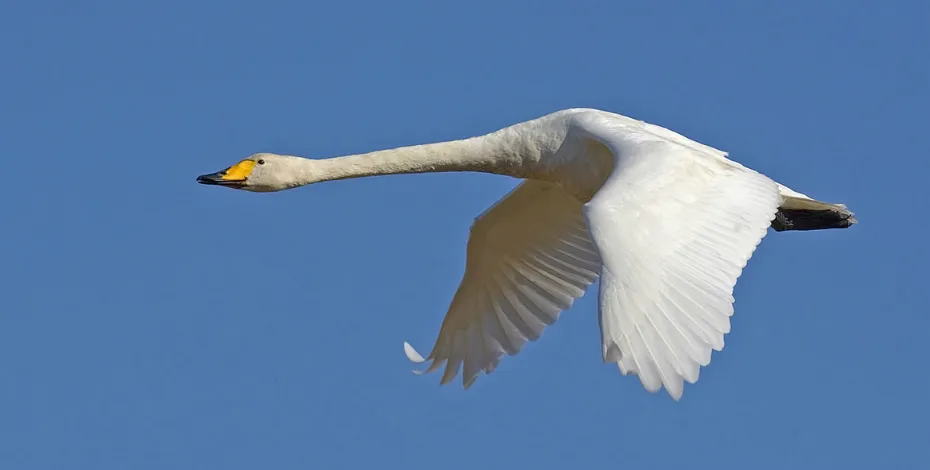
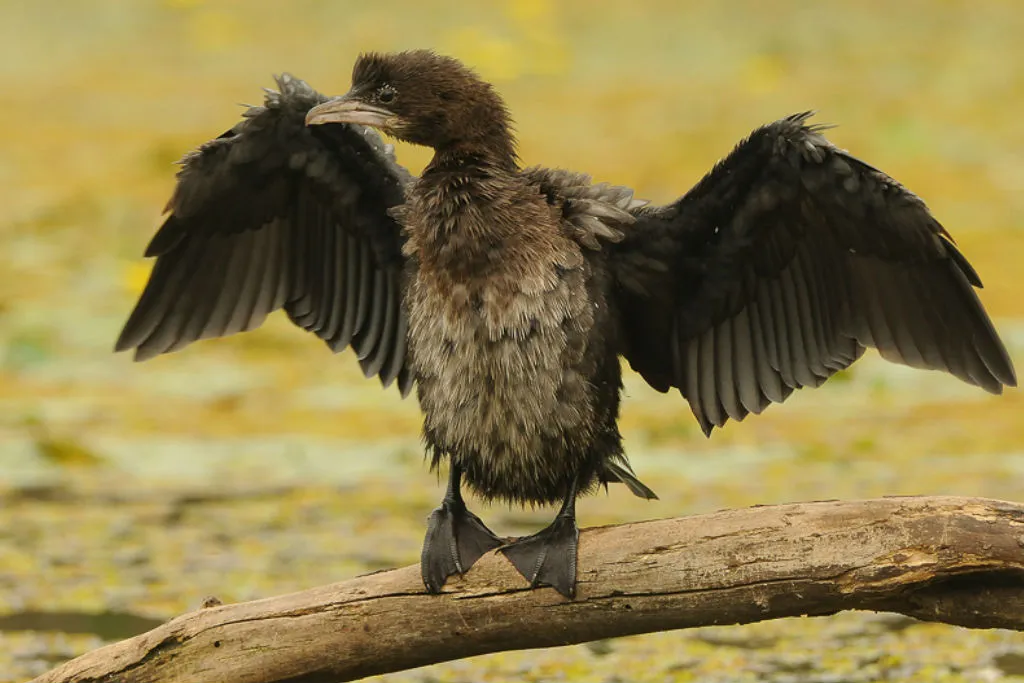
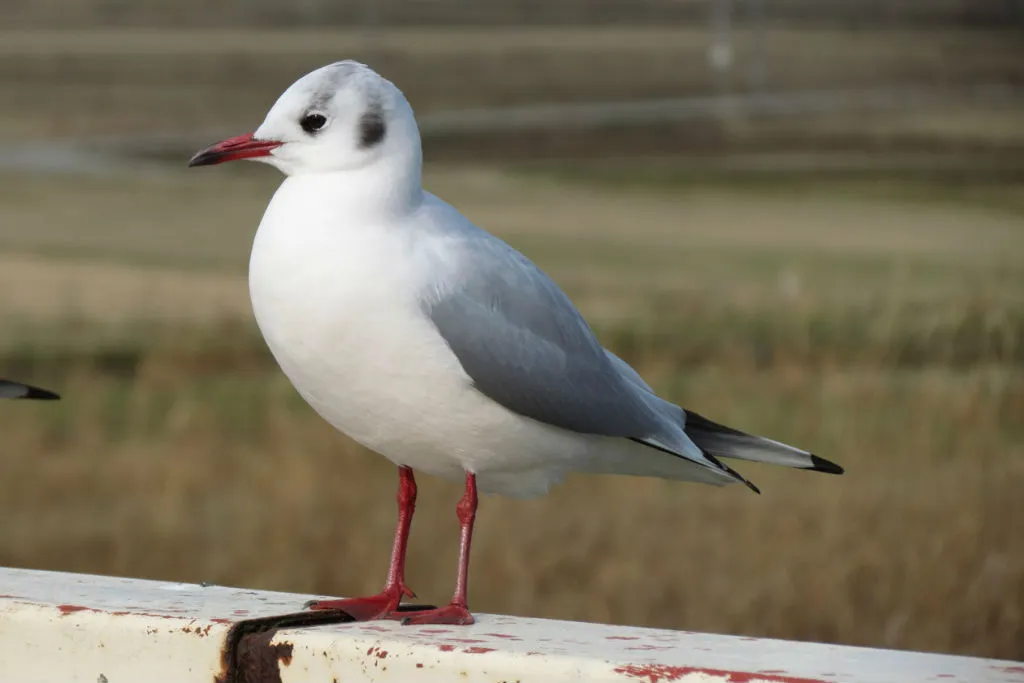
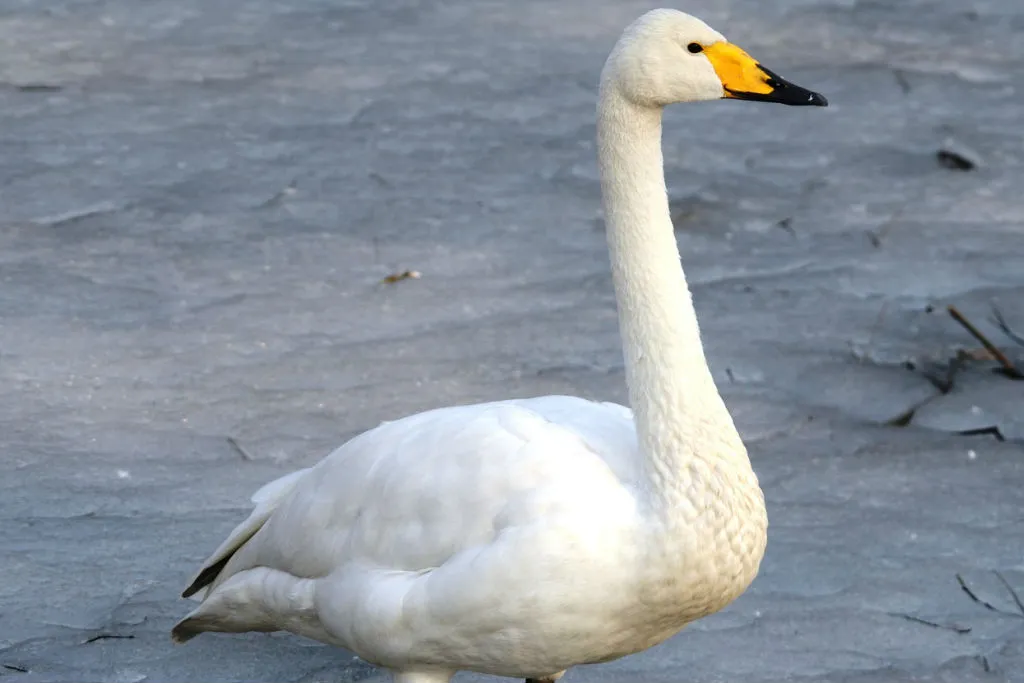
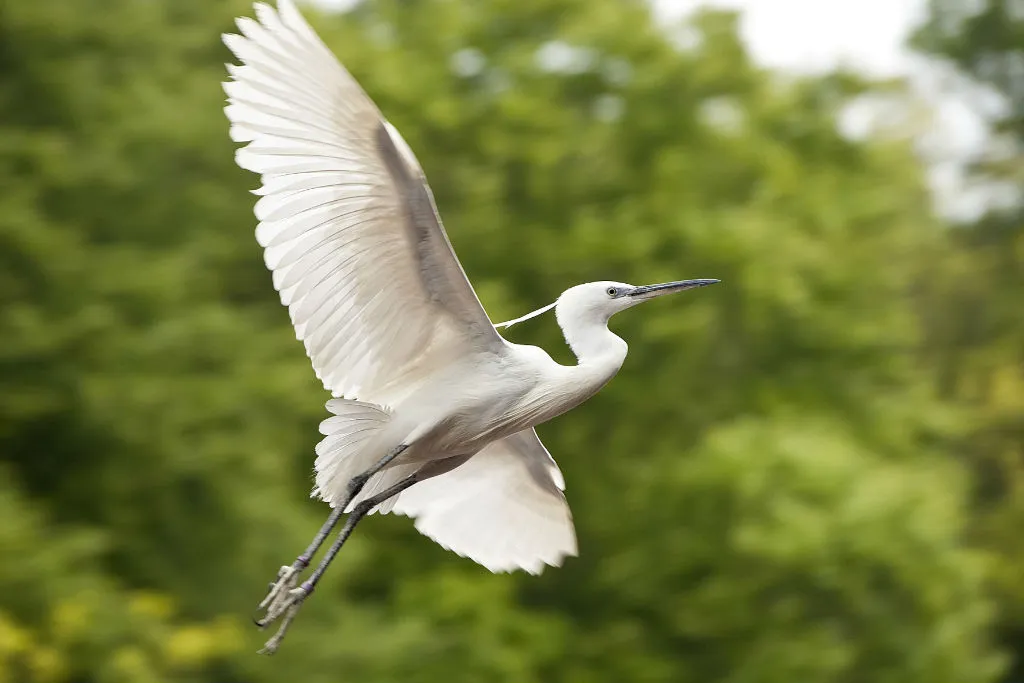
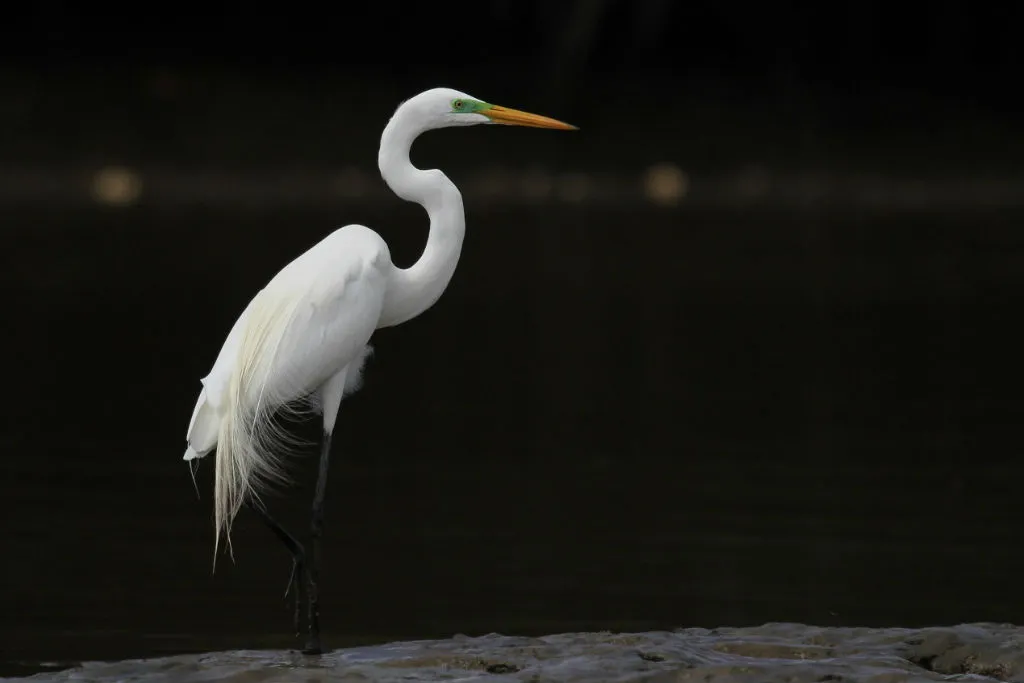
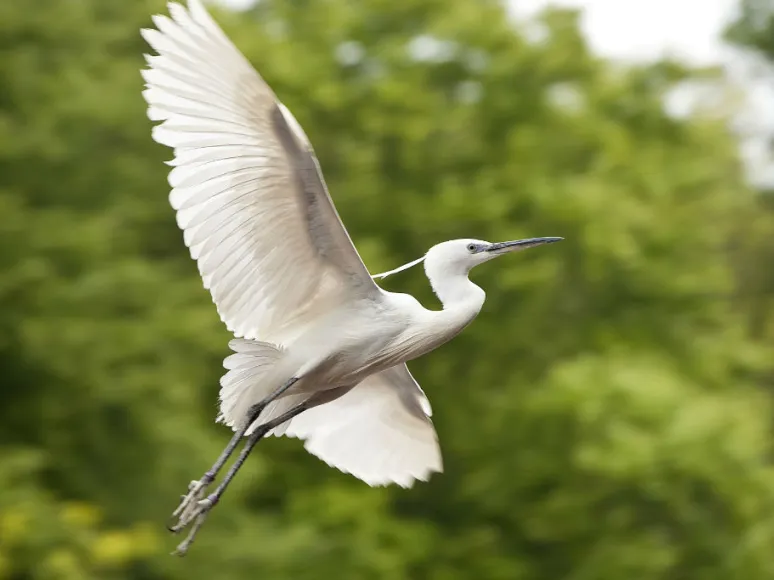
The road to Pogradec passes through the valley of Shkumbin River. There are several villages on the valley slope covered by pastures, shrubs, and forest of common beech, Oriental plane, and oaks. It is possible to see fishermen fishing for barbells, bleak and common nase. The road continues through Thana Pass revealing the landscape formed by Ohrid Lake, one of the oldest and deepest lakes in Europe. Driving down the Thana Pass to Pogradec town, one can see fishermen fishing for minnows and the endemic trout species of the lake. The reeds beside the road are good places to observe waterfowl like the pygmy cormorant, common gulls, herons, and the whooper swan.
Visit the village of Lin (ruined paleochristian church with beautiful views and floor mosaics) and Lake Ohrid. Lunch in Lin. After lunch, drive to Voskopoje for three nights stay.
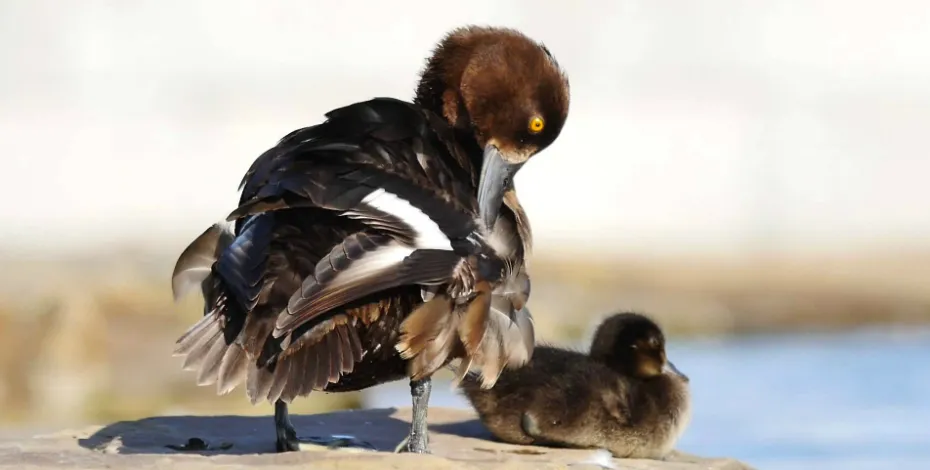
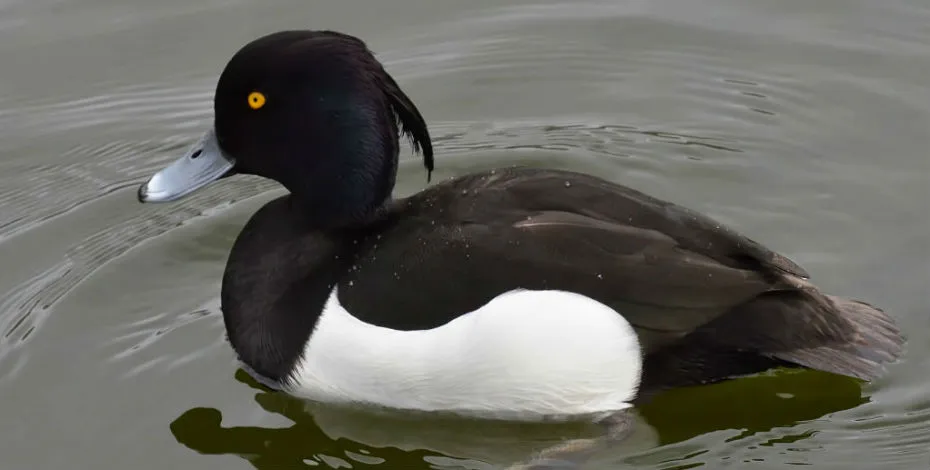
The village of Lin is a fishermen village with a few agricultural activities. There is a hatchery of the endemic trout of Salmo aphelios. The hill over the village is a perfect sighting place for observing ducks, pygmy cormorant, gulls, the great crested grebe, and little grebe, coots, reed warbler and herons. While walking through the village to reach up to the hill, it is possible to watch houses with traditional traits with gardens full of fruit trees.
Walks in the woodland around Voskopoje (Scots pine, silver fir, Valonia oak) and exploration of the town (St Nicholas’ Church with wonderful frescoes, and other monasteries).
Voskopoje is an old village full of nature and tradition, located in the middle of the woodland. Walking through it one can visit the old medieval churches and enjoy the landscape. The forests around the village have a dense canopy of Scots pine, Valonia oaks and silver fir and diverse understory with early crocus and mushrooms. The main birds that can be observed are the common buzzard, blackbirds, great tit and Eurasian blue tit, curl bunting, skylarks, starling, etc. Walking up to the peaks everyone enjoys the landscape where can watch far away to the other mountains of Southern Albania.
Drive to Lake Prespa for a boat trip to Maligrad island and local walks.
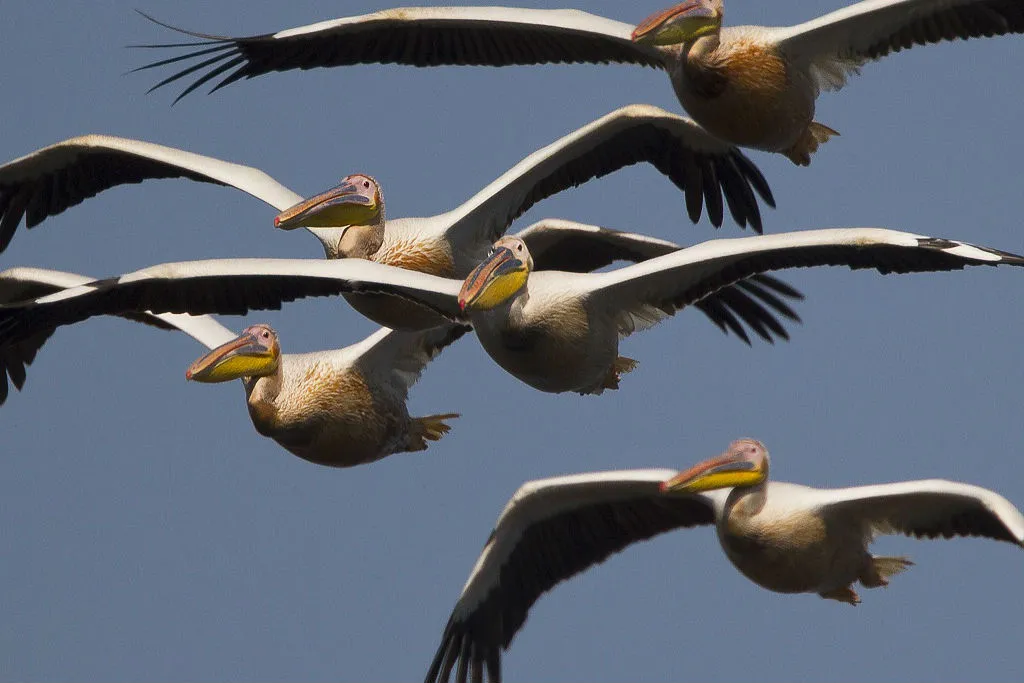
Macro Prespa Lake is a freshwater lake at the elevation of 853 m (2798 f). It is part of the Prespa National Park and it is a Ramsar Site too. The shoreline is covered by reeds where refuges several bird species like herons, coots, gulls, ducks and all around the lake one can observe the Dalmatian pelican, pygmy cormorant, great crested grebe. Macro Prespa Lake is an important place for Dalmatian pelican; it settles about 18% of the world's population of this species. The island of Maligrad one can visit an old eremite church from the 13th century. The island shoreline is covered by ash, poplar, white willow, figs, etc. and its top has a very nice flat pasture covered by shrubs herb.
Transfer via Elbasan to the coastal town of Vlore for two nights stay.
Vlorë is the third largest city and a municipality in Albania. It is also the second largest port city of Albania, after Durrës. Geographically, it has a coastline on the northern shore of the Mediterranean Sea, the Adriatic and the Ionian Sea, which forms the Bay of Vlorë.
Vlorë was founded as an ancient Greek colony in the 6th century BC by the name of Aulon and continuously inhabited ever since. It became the seat of a bishopric. In modern times, the city was briefly the capital of Albania. It is where the Albanian Declaration of Independence was proclaimed on November 28 in 1912. It is also one of the most cultural and economically significant cities of southwestern Albania.
The Muradie Mosque is a Cultural Monument of Albania and was built in 1537 by the famous Ottoman Turkish architect Mimar Sinan during the rulership of Sultan Suleiman the Magnificent. The monument consists of a prayer hall and a carved stone minaret.
Llogara National Park: pine forests with trees shaped by the wind, breathtaking views, habitat for abundant wildlife including migrating birds of prey such as the short-toed eagle and steppe buzzard, followed by Orikum Lagoon: reedbeds, wetland bird-life and the visit of Orikum archaeologic site.
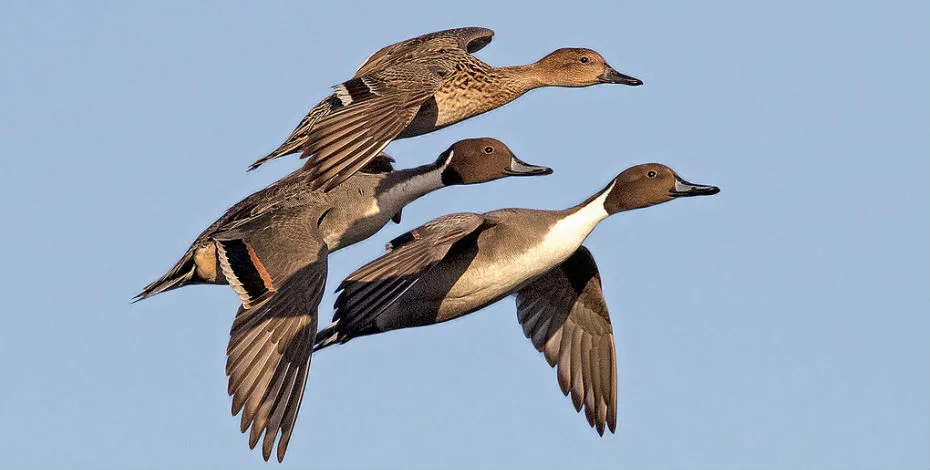
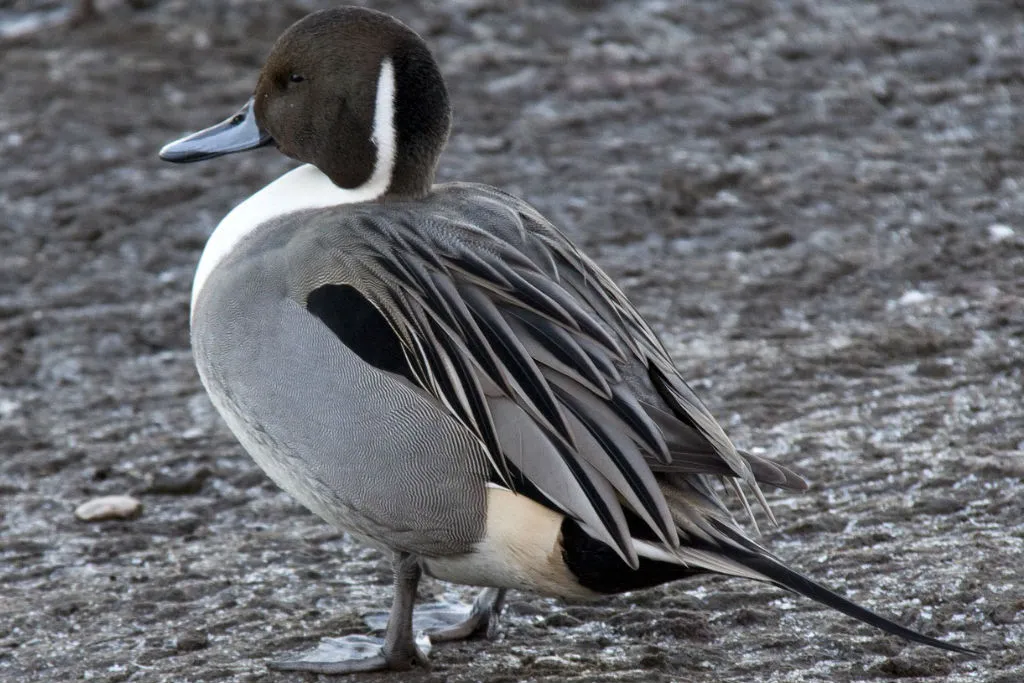
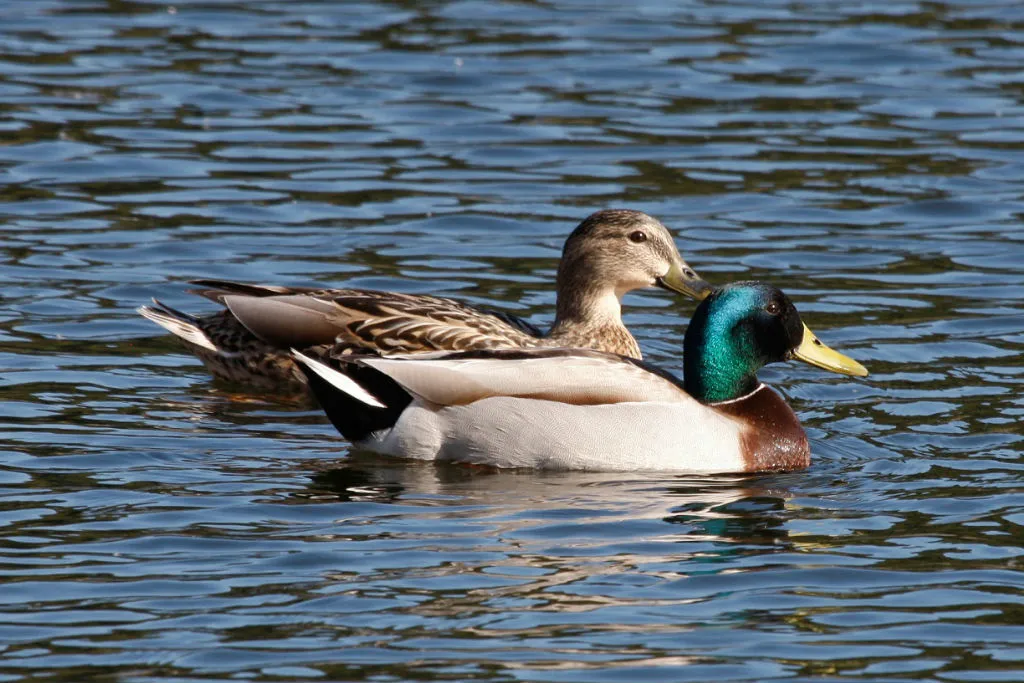
The Lagoon of Orikum is located at southern part of Vlore bay. The shore is covered mainly by reeds, sedge and tamarisk were it is possible to observe closely the kingfisher and ducks like mallards, pochard, gadwall spread in the lagoon.
The settlement of Orikum was founded at the end of the 7th/beginning of the 6th century BC, allegedly by colonists from the Greek island of Euboea.
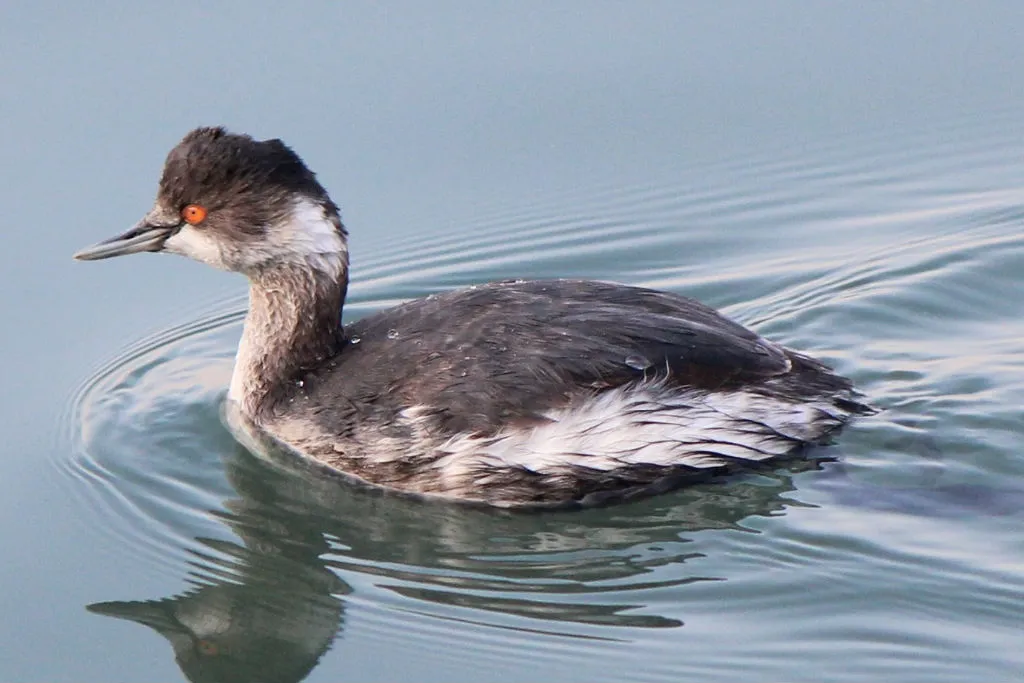
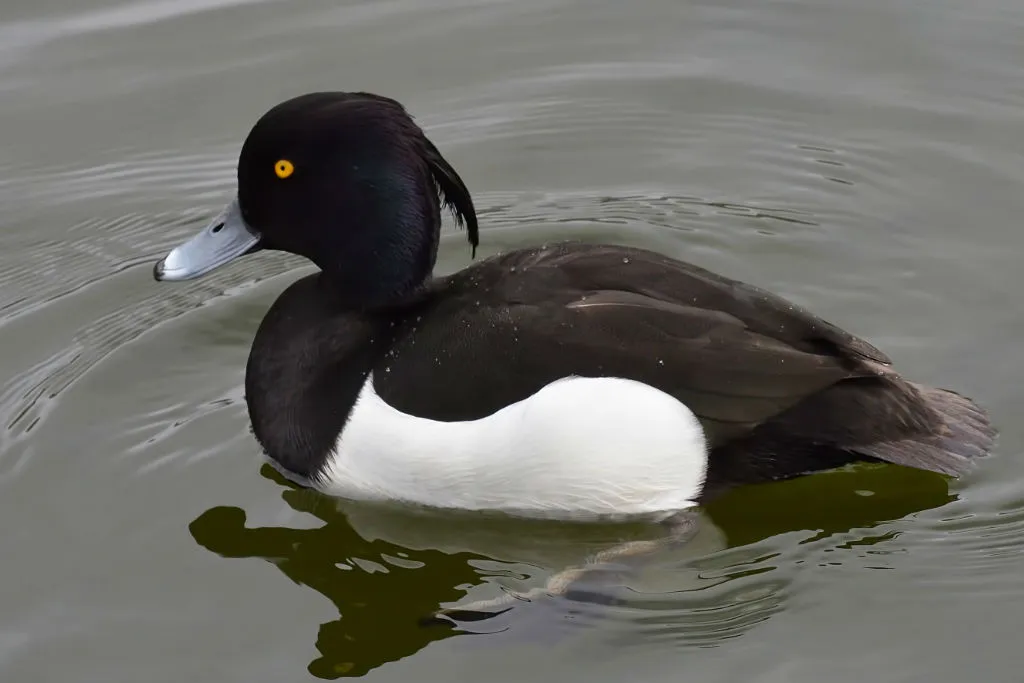
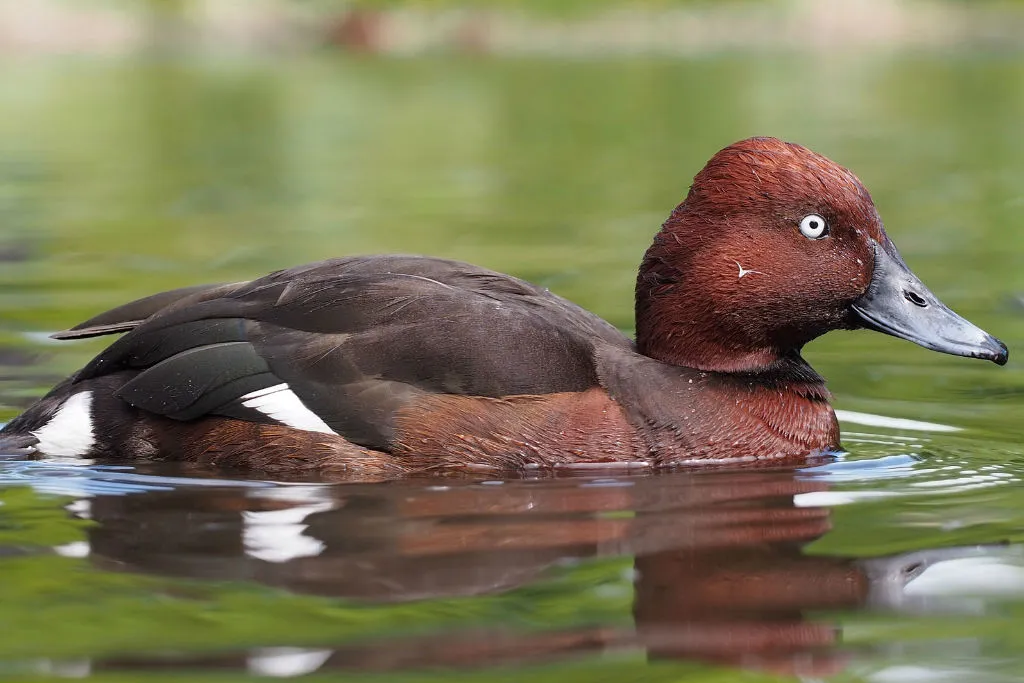
Narta Lagoon: salt pans with a wide variety of avifauna including black-necked grebe, Mediterranean Gull, ferruginous duck. After the picnic on the island of Zvernec, visit Divjaka-Karavasta National Park: lagoons, sand dunes, pine forest, the colony of Dalmatian pelicans. Continue driving to Kruje (one of the oldest and most important cities in the ancient times), for the overnight stay in Hotel Panorama. In the afternoon, visit the old bazaar of Kruje and if possible the castle of Kruje and the ethnographic museum and the tekke.
The Lagoon of Narta has the oldest Salinas in Albania, producing salt for more than 500 years. The Salinas is located at the Northern part of the lagoon. The salt pans offer appropriate conditions for feeding, roosting, nesting and stop-over place for bird species like flamingos, Dalmatian pelican, waders, bird of prey.
The island of Zvernec, located in front of the discharging channel of the lagoon, one can visit the medieval monastery of Saint Mary from the 13th century and covered totally by pines. The island is accessible through a curvy shape wood bridge.
The Lagoon of Karavasta is the largest in Albania and has the status of National Park. It is the first declared Ramsar Site and it has the only breeding colony of Dalmatian pelican. The connecting channels with the sea are used to catch migrating fishes like flathead grey mullet eels, seabream, and European bass.
The old town of Krujë is crossed by the picturesque Bazaar Street. The archaeological excavations on the Citadel of Krujë have revealed a settlement of the 3rd/2nd centuries BC.
Depart for Tirane International Airport (about 18km away from Kruje).
Have you been on this tour? It is very important for us to know your thoughts.
Write a review
Interested in this tour? Send us your enquiry and we will get back to you shortly.